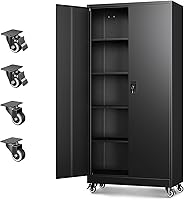
How to Keep a Tall Garage Cabinet From Tipping Over
To keep furniture from tipping over, place the cabinet on a level floor, secure it to a suitable wall when possible, and load heavier items low. Follow the cabinet and anchor instructions, and keep children from climbing on it.
On this page (7 sections)
To keep furniture from tipping over, place a garage cabinet on a level floor, anchor it to a suitable wall when possible, and store heavy items low. Follow the cabinet and anchor instructions, and keep children from climbing or pulling on it.
A cabinet can become less stable if its load shifts upward, its doors are pulled hard, or it sits on an uneven surface. These steps help reduce those risks.
How do you keep furniture from tipping over?
Use a stable location, a suitable wall anchor, and a low center of load. Check the cabinet instructions for anchor points and installation requirements.
- Choose a firm, level spot with enough clearance to open the doors.
- Assemble the cabinet as directed and check that it sits evenly.
- Attach anti-tip hardware that suits the cabinet and wall, following its instructions.
- Put heavier items on lower shelves and spread the load across each shelf.
- Keep the cabinet doors closed when you are not using it.
- Recheck the cabinet and anchor after moving it or changing the load.
A wall anchor depends on its connection to the wall. Wall materials differ, so use hardware intended for the surface and ask a qualified installer if you are unsure.
For broader advice about comparing materials and features, see our guide to choosing and caring for garage cabinets.
Where should a tall cabinet sit?
Set the cabinet on a flat, solid floor where it won't block a doorway or walkway. Avoid a spot where a sloped or damaged floor causes the cabinet to rock.
Check that the doors can open without hitting a car, workbench, or nearby shelf. A clear area also makes it easier to reach stored items without leaning on the cabinet.
If the floor is uneven, don't wedge loose objects beneath the cabinet as a quick fix. Check the instructions for leveling feet or another adjustment method, or choose a better location.
A low cabinet may suit a tight area where a taller unit is difficult to secure. The IRONFFICE 39 Inch Wide Low Steel Cabinet is 25.6 inches high and has adjustable non-slip feet.
Measure the available width and depth before choosing a spot. The cabinet is 39.37 inches wide and 15.75 inches deep.
How should you attach an anti-tip anchor?
Follow the cabinet's instructions and use an anchor that matches both the cabinet and the wall. An anchor attached only to a weak surface may not hold as intended.
The Yizosh 72 Inch Locking Steel Cabinet in White includes a wall mount anchor. Its assembly instructions call for following the steps and using the numbered accessories.
Before drilling, check for pipes and wiring and confirm the wall material. If you can't identify a suitable fastening point, ask a qualified installer rather than guessing.
Don't substitute a random screw or attach the cabinet to drywall alone unless the anchor instructions specifically allow that installation. Keep the cabinet stable during installation, and get help moving or lifting a heavy unit.
What should go on the lower shelves?
Place heavy tools and supplies on lower shelves, and keep lighter items above. This reduces the chance that a high shelf load will make the cabinet feel top-heavy.
Spread items across the shelf instead of clustering all the weight at one edge. Follow the stated shelf limits, and don't assume a metal cabinet can hold any load simply because it feels sturdy.
A shorter cabinet can put storage within easy reach and may reduce the need to store items high. The Wanfu 36 Inch Two-Shelf Locking Cabinet is 36.2 inches tall and has 2 adjustable shelves.
Use a step stool when you need to reach a high shelf. Don't climb on a shelf, door, or cabinet frame.
Can a rolling cabinet tip over?
Wheels make a cabinet easier to move, but they don't prevent tipping. Park it on a level surface and engage the brakes if it has them.
The Fesbos 75 Inch Rolling Locking Steel Cabinet has 4 wheels, including 2 with independent brakes. Its tall frame still calls for careful loading and following the assembly instructions.
Don't push a loaded cabinet over a threshold or rough floor unless its instructions say it is suitable. Before moving it, close and lock the doors, clear the route, and get help if you cannot control its weight.
If mobility is a key need, compare other metal storage cabinets with wheels. Think about where the cabinet will stay parked as well as where it needs to roll.
How can you reduce tipping risks around children?
Keep the cabinet secured, close its doors, and don't let children climb or hang on it. A lock can limit access to stored items, but it doesn't replace an anchor or safe loading.
Put supplies with safety labels out of reach and follow their storage instructions. Don't leave a cabinet door open where a child might pull on it.
Check the room for anything that invites climbing, such as a box or stool beside the cabinet. Keep those items elsewhere when they are not in use.
What should you check after assembly?
Check that the cabinet stands evenly, the fasteners are secure, and any anchor is attached as instructed. Repeat the check if you move the cabinet or change its load.
Open and close the doors gently to see whether the cabinet shifts. If it rocks or pulls away from the wall, unload it as needed and fix the cause before using it again.
A cabinet's construction and assembly details matter when comparing options. Our guide to spotting a high-quality garage storage cabinet covers features to review.
For safe placement and easier access, use how to organize a garage with storage cabinets to plan what belongs in each area. Keep the heaviest items low, secure tall units as directed, and choose a low cabinet when a tall one won't fit the space safely.
Frequently asked questions
How do you keep a tall cabinet from tipping over?
Set it on a firm, level floor, anchor it to a suitable wall when the cabinet instructions allow, and keep heavier items on lower shelves. Use hardware suited to the wall and cabinet, follow its installation directions, and check the connection for looseness.
Keep children from climbing or pulling on doors and drawers.
Should a garage cabinet be anchored to the wall?
Anchoring can reduce the risk of a tall cabinet tipping, especially if it may be pulled or loaded unevenly. Check the cabinet instructions for approved anchor points and hardware, then choose fasteners that suit the wall material.
If you cannot confirm a safe attachment, ask a qualified installer for help.
Where should heavy items go in a storage cabinet?
Put the heaviest items on the lowest shelves that can safely hold them, and distribute weight across the shelf. Keep frequently used items at a reachable height so you are less likely to tug hard on a door or reach overhead.
Stay within the cabinet and shelf limits.
Are rolling cabinets less likely to tip?
Wheels make a cabinet easier to move, but they don't by themselves prevent tipping. Lock the brakes when the cabinet is parked, avoid pushing it over uneven flooring, and follow the maker's instructions about loading and stability.
A tall rolling cabinet may still need additional precautions.