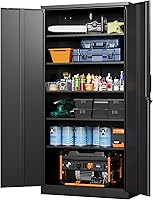
How to Store Tools in the Garage
To store tools in a garage, sort them by type and how often you use them, then choose storage that keeps daily tools easy to reach and heavy or sharp tools secure. Measure the space, keep walkways clear, and put tools away clean and dry.
On this page (9 sections)
- How should you sort tools before storing them?
- How to store tools in a garage for quick access?
- Should you use a cabinet, shelves, or a tool chest?
- How do you set up garage tool storage safely?
- How do you protect tools from garage moisture?
- How should you store power tools and small parts?
- How do you choose storage that fits your garage?
- What are common mistakes when storing garage tools?
- How to store tools in a garage: which setup should you choose?
To store tools in a garage, sort them by type and how often you use them, then choose storage that keeps daily tools handy and heavy or sharp tools secure. Measure the space, leave a clear path, and put tools away clean and dry.
Start by gathering tools from shelves, benches, drawers, and the car. Separate hand tools, power tools, accessories, yard tools, and safety gear; set aside broken or duplicate items so they don't take up prime storage space.
Your setup should fit the way you work. A few household repair tools may need one drawer and a labeled box, while a larger collection might need a cabinet, a rolling chest, or both.
How should you sort tools before storing them?
Sort tools by task and frequency of use. Keep everyday items close to the work area, and place occasional or seasonal tools farther away while keeping them easy to retrieve.
Useful groups include:
- Hand tools such as hammers, pliers, and screwdrivers
- Power tools and their accessories
- Fasteners, bits, and other small parts
- Garden and yard tools
- Measuring tools and safety gear
Use divided boxes for screws, nails, and bits. Label containers by size or job, and return each item to its assigned spot after use so small parts don't migrate across the garage.
Separate tools that need different care. For example, keep clean, dry tools together and avoid putting wet garden tools beside tools that could corrode.
For long-handled rakes, shovels, and similar gear, see our guide to storing garden tools in a garage. For a wider plan covering cabinets and work areas, read how to organize a garage.
How to store tools in a garage for quick access?
Keep the tools you use most often visible and within easy reach. A wall pegboard, shallow drawer, or small tool chest can help you grab a common hand tool without shifting boxes or opening several cabinets.
Group tools by the job you do with them. Measuring tools near the workbench and common repair tools in one tray can save time; keep sharp edges covered or positioned so they won't catch a hand.
An inside-door pegboard can work well when you want hanging space and enclosed storage together. The Aobabo cabinet has pegboards on the doors, 4 hooks, and adjustable or removable shelves for tools and supplies.
Its caster wheels can help when you move tools between work areas. Before setting it up, measure the route through the garage and the space where it will park, and keep both clear of doors and walkways.
Skip a wheeled cabinet if you have no clear route for moving it or prefer a fixed storage spot. Wheels are most useful when the cabinet actually needs to travel between work areas.
Should you use a cabinet, shelves, or a tool chest?
Choose a cabinet for enclosed storage, shelves for open access, and a tool chest for grouped tools in drawers. Pick based on what you need to store, how often you'll reach for it, and whether the space can accommodate doors, drawers, or wheels.
A tall cabinet suits mixed tools, cases, and supplies that you want behind doors. The Letaya cabinet has 2 adjustable shelves, lockable drawers, and adjustable feet for uneven floors.
Choose it if you want one tall, freestanding unit with both shelf and drawer storage. Skip it if your space cannot fit its 71 in height or you need a low drawer unit beside a workbench.
A shorter cabinet can keep smaller tools and supplies at an easier-to-reach height. The CJF cabinet stands 36 in high and includes 2 lockable drawers and adjustable shelves.
It can suit a garage where a tall cabinet would crowd the space or where you want enclosed drawers near a work area. Skip it if you need a tall compartment for long tools or want a cart that rolls between jobs.
A rolling chest is useful when you want several drawers of hand tools close to where you work. The Maxority chest has 7 drawers and 4 lockable swivel wheels.
Choose it if drawers match your tool collection and you regularly move between work areas. Skip it if your main storage need is tall shelving for cases, paint cans, or bulky items.
For a closer look at the tradeoffs, read cabinets vs open shelves for garage storage. If you choose a metal cabinet, how to keep a metal garage cabinet from rusting covers moisture care.
How do you set up garage tool storage safely?
Put heavy tools low, secure tall storage as directed, and keep access paths open. A stable layout makes tools easier to lift and lowers the chance that something falls into a walking or working area.
Before loading a cabinet, place it in its final position and follow its assembly and safety instructions. Some tall storage includes an anti-tip device; use the included hardware as directed, especially where children may enter the garage.
Put the heaviest tools on low shelves or in lower drawers. Keep sharp items secured, and avoid stacking heavy cases above shoulder height where they could shift when you reach for them.
Don't overload a shelf or drawer. Keep enough room to open drawers fully and remove tools without pulling other items out first.
How do you protect tools from garage moisture?
Put tools away clean and dry, and check the storage area for dampness. A closed cabinet can trap moisture around tools, so don't store wet equipment inside it.
Wipe off dirt and water after use, then follow the tool maker's care instructions. Keep tools away from roof leaks and dripping wet garden gear, and avoid leaving them directly on damp concrete.
Check metal tools and storage occasionally for early signs of rust. If you find it, use a care method suited to the tool's material and finish rather than applying an unknown coating.
How should you store power tools and small parts?
Keep power tools with their accessories and contain small parts in labeled organizers. A shelf or cabinet section sized for the cases can prevent heavy items from sliding and keep chargers, bits, and attachments easy to find.
Store batteries and chargers according to their manufacturers' instructions. Coil cords neatly without pulling them tight around a tool, which can strain the cord over time.
Small parts are easier to manage in divided boxes marked by size or job. Keep those boxes off the floor and separate from sharp items that could puncture their packaging.
How do you choose storage that fits your garage?
Measure the storage spot, the largest tools, and the room needed for access before you choose a cabinet or cart. Include the space needed to open doors and drawers or move a wheeled unit.
Make a list of the tools that need to fit, including the tallest cases and widest items. Then decide whether shelves, drawers, hooks, or wheels matter most for your routine.
A tall cabinet makes use of vertical space, while a low chest keeps drawers closer to hand. A cart helps only if there's a clear route and a stable place to park it.
Think through what you want enclosed or locked away, too. If visible access matters more than keeping tools behind doors, how to organize a garage with storage cabinets can help you plan a mix of cabinets and other storage.
What are common mistakes when storing garage tools?
The most common mistakes are storing tools before sorting them, putting heavy items overhead, and choosing storage without measuring. These choices make tools harder to find and can create a cluttered or unsafe work area.
Avoid placing every tool in one deep bin. The tools at the bottom become hard to reach, and small parts get mixed with larger items; use drawers, trays, or labeled boxes for smaller groups.
Don't buy a cabinet based only on its footprint. Check its height and depth, plus the room needed to open doors or drawers and move it into place.
Don't leave wet tools in closed storage or let a rolling cabinet drift while you're working. Dry tools before putting them away and lock the wheels when the cart is parked.
How to store tools in a garage: which setup should you choose?
Pick a cabinet if you want enclosed storage, a chest if you need organized drawers near your work, and a pegboard cabinet if you want hanging tools inside closed doors. Choose open shelves when bins and bulky gear need to stay visible and easy to reach.
A tall cabinet suits mixed tools and supplies; a shorter cabinet suits a low storage spot, while a wheeled chest or cabinet fits work that moves around the garage. Measure first, keep heavy tools low, and set up one clear home for each group.
For the rest of the room, use how to organize a garage with storage cabinets to plan storage around your work area and walking paths.
Frequently asked questions
What is the best way to store tools in a garage?
Sort tools by type and use, then give each group a fixed place. Hang frequently used hand tools where you can see them, keep small parts in labeled containers, and put larger or less-used tools in a cabinet.
Store heavy items low, secure tall storage according to its instructions, and keep walkways clear.
Should tools be stored in a garage cabinet or on shelves?
Use a cabinet when you want tools enclosed or locked away. Open shelves make bins and bulky gear easy to reach, while a pegboard can keep daily-use hand tools visible.
Many garages work best with a mix, based on the items and available wall space.
How do you keep tools from rusting in a garage?
Keep tools clean and dry before putting them away, and reduce moisture where they are stored. Don't leave wet tools in a closed cabinet.
Check metal tools and storage regularly for signs of rust, and follow the tool maker's care instructions for any protective coating or oil.
Where should heavy tools go in a garage?
Store heavy tools low, where you can lift them without reaching overhead. Keep them in a stable cabinet, drawer, or low shelf that can support their weight, and avoid stacking heavy items above shoulder height.
Secure tall cabinets according to their instructions and keep tools away from paths where they could fall or trip someone.