Cabinets vs Open Shelves for Garage Storage: Which Is Better? (October 2026)
Choose a garage cabinet for enclosed storage and open shelves for quick access to bulky items. The cabinet vs shelves choice depends on what you store, how often you reach for it and how much floor space you can spare.
On this page (8 sections)
- Cabinet vs shelves: which is better for garage storage?
- How do cabinets and shelves compare on access and visibility?
- Do cabinets protect garage items better than open shelves?
- Which takes less space in a garage?
- Which storage option is easier to keep organized?
- Should you choose a steel or plastic garage cabinet?
- How do you set up a cabinet and shelf combination?
- Cabinet vs shelves: how do you make the final choice?
Choose a garage cabinet for enclosed storage and open shelves for quick access to bulky items. The cabinet vs shelves decision depends on what you store, how often you reach for it and how much floor space you can spare.
A cabinet adds doors and may offer a lock; open shelves keep items in view and within reach. The right choice starts with your routine: think about what you grab daily, what needs to stay contained and what will fit without obstructing the car or a walkway.
Cabinet vs shelves: which is better for garage storage?
Cabinets work best for smaller supplies you want enclosed, while open shelves suit large items you use often. Pick a layout based on how you handle each category, rather than trying to store everything the same way.
A cabinet can group fasteners, cleaning supplies and hand tools behind doors. Shelves can hold bins, sports gear and large containers without making you open a door or fit each item into a compartment.
For a broader plan, start with how to organize a garage with storage cabinets. Sorting your belongings by use and size helps show which ones need doors and which can stay visible.
How does the cabinet vs shelves choice fit your routine?
A cabinet suits you if you prefer a tidier-looking wall or need small items kept together. Open shelves suit you if you often move between supplies and want to scan what is available at a glance.
Think through a typical task, such as working on a bicycle or getting gardening supplies ready. If it involves several quick trips for tools, open storage near the work area may save steps; supplies used less often can go behind doors.
When does a garage cabinet make more sense?
A cabinet makes more sense when you want items out of sight or grouped behind doors. It can also help keep small objects from spreading across an exposed shelf.
Choose the cabinet size around what you own, not just the wall space available. Measure the width, depth and height, then check that its doors can open without hitting a car, workbench or stored bin.
If you need help comparing dimensions, see how to pick garage cabinets for your space. The garage storage cabinet guide for doors and shelves covers that specific style.
When are open shelves the better choice?
Open shelves are a better choice when you want to grab items quickly or store objects that are awkward to fit behind cabinet doors. Visibility also makes it easier to notice which bins need restocking.
The tradeoff is that everything stays exposed, and small objects can spread across the shelves. Use labeled bins for loose parts, and put the items you reach for most often at an easy height.
Skip open shelves for small supplies if you know they will become scattered or collect dust before you use them. A cabinet with shelves behind doors gives those items a defined place and a barrier from some surface dust.
How do cabinets and shelves compare on access and visibility?
Open shelves are faster to scan, while cabinets keep their contents behind doors. Match the layout to how often you use the items and whether seeing them at a glance matters.
On a shelf, a bin or tool is visible as soon as you face it. A cabinet requires opening a door, but its contents are less visible as part of the room’s clutter.
Either option can become disorganized. Crowded shelves hide things behind other items, while an unplanned cabinet can turn into a jumble behind closed doors.
What should stay easy to reach?
Keep daily tools, work gloves and frequently used supplies within easy reach. If tools are your main concern, how to store tools in the garage offers ideas for choosing storage around their size and use.
Put small parts in labeled containers, whether those containers sit on open shelves or inside a cabinet. A label makes supplies easier to find without relying on memory.
Avoid placing heavy items where you must reach overhead or bend deeply to lift them. Set shelf heights so you can move those items with a steady grip.
Do cabinet doors or shelf bins make small things easier to find?
Cabinet doors conceal visual clutter, but they can also hide supplies if you don't give each category a place. Shelf bins keep small things together while leaving the contents visible or labeled.
Use the same approach for either setup: assign a spot to each category, group similar items and return them after use. Choose transparent bins if you want to scan the contents, or readable labels if the containers are opaque.
Do cabinets protect garage items better than open shelves?
Cabinet doors provide a barrier against dust and casual contact, while open shelves leave items exposed. Neither option controls garage temperature or humidity on its own.
A closed cabinet can reduce dust settling directly on stored items. Its doors can also keep supplies together, but they don't create an airtight seal against moisture or fumes.
Open shelving makes damp or dirty items easier to spot, which may help you notice a spill or leak. It also leaves items more exposed to dust, sunlight and accidental bumps.
Store items only as their labels allow. Keep hazardous materials in appropriate containers, away from heat and ignition sources, and follow the storage instructions on each container.
Is a lock useful for garage storage?
A lock can help restrict casual access to stored items, but it isn't a substitute for secure storage or safe handling. Choose a lockable cabinet if you need to limit access, and follow its instructions for using the lock.
Some cabinets include a lock, while others are designed to accept a padlock. Check the lock type and fastening method before choosing, especially if you need a specific kind of access control.
Which takes less space in a garage?
Open shelves don't need door swing clearance, while cabinets need room for their footprint and access to the doors. Measure the working area, not just the wall.
A tall cabinet uses vertical space but still takes up floor depth. Shelves can also project far enough to interfere with vehicle doors or a walking path if placed without measuring.
Mark the proposed width and depth on the floor with painter's tape. Then check the vehicle’s door swing, nearby storage and the space needed to carry items past the unit.
For cabinet depth guidance, see how deep garage cabinets are. If storage will sit near a parking spot, check the marked footprint with the vehicle in place.
How should you measure before choosing cabinet vs shelves?
Measure the wall, floor area and path to the storage spot before buying a cabinet or planning shelves. Include the room needed to open doors, take out containers and walk around the unit.
Check the height of bulky items and containers too. If you plan to use bins, measure them while loaded so you don't end up with shelf spacing that makes them hard to lift out.
Which storage option is easier to keep organized?
Cabinets hide clutter behind doors, while open shelves make clutter visible sooner. The easier system is the one you can reset after using it.
Give each shelf or cabinet section one job, such as car care, hand tools or garden supplies. Use clear labels and return items to the same place so a quick tidy doesn't become a full reorganization.
Open shelves benefit from bins that keep small parts from spreading. Cabinets benefit from leaving space between categories so items don't get pushed into one pile.
Choose a plan you can maintain in a few minutes. If putting something away takes too many steps, tools and supplies are likely to end up on the floor or workbench.
What common cabinet vs shelves mistakes should you avoid?
A common mistake is choosing by appearance before checking what you need to store. A tall unit can look efficient, yet a deep cabinet or awkward door swing may block the route to your car.
Another mistake is treating every surface as general-purpose storage. Give categories their own places and keep daily supplies easy to reach, or you'll have to shift piles to find them.
Don't assume a cabinet is airtight or that every shelf can hold the same load. Check the cabinet's stated limits, and keep heavy items low and accessible.
Should you choose a steel or plastic garage cabinet?
Choose cabinet material and dimensions around the items you plan to store and the room available. Steel and plastic models can differ in assembly, shelf limits and access features.
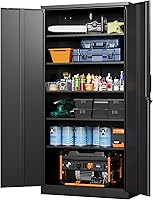
The Letaya steel cabinet measures 72 x 36 x 18 in and has 5 adjustable shelves and a key lock. Its width needs a spot with enough floor space, and the doors add an access step compared with open shelving.
The Sterilite plastic cabinet measures 69.38 x 25.63 x 18.88 in and accommodates a standard padlock. Its recommended shelf limit is 40 lb per shelf, so account for the weight of stored tools and supplies.
The SteeLoong steel cabinet measures 71 x 32 x 16 in and has 4 adjustable shelves. Its narrower, shallower footprint may suit a tighter spot, though no lock is specified.
Who should skip these cabinets?
Skip a cabinet if the footprint and door clearance would crowd your parking area or work route. Open shelving may be easier to reach and position when you need frequent access without opening doors.
Also compare shelf limits with the weight of your intended contents. The Sterilite cabinet has a recommended 40 lb limit per shelf, so it isn't the right fit for loads above that limit.
How do you set up a cabinet and shelf combination?
Use cabinets for items that benefit from doors and shelves for items you want to reach or see often. A split layout can make storage easier to use without giving every item the same access.
Place shelves near the work area for frequently used tools and bins. Put the cabinet where its doors can open fully, away from the vehicle’s path and any narrow walkway.
Before assembly, clear the floor and lay out the pieces so you have room to work. Follow the instructions for the specific unit, adjust shelf heights to your planned categories and avoid loading it before assembly is complete.
For tall cabinets with wall-fixing points, follow the product instructions and use fasteners suited to your wall. You can read more about keeping a tall garage cabinet from tipping over.
For smaller garages, see how to organize a small garage and still park. Measure carefully so storage leaves room for the car and a clear walking route.
How should you care for garage cabinets and shelves?
Keep storage surfaces clear enough to spot spills, dust and damage. Wipe them with a method suited to their material, and dry surfaces if they get wet.
Check that cabinet doors and shelf supports remain in place as you rearrange storage. If a unit has adjustable feet or wall-fixing points, use them according to its instructions.
Keep frequently used shelves from becoming catchall surfaces. A short reset after each task helps preserve access and makes it easier to see when a bin or supply needs attention.
Cabinet vs shelves: how do you make the final choice?
Pick a cabinet if you want doors, a lock option or a place to contain small supplies; pick open shelves if quick access and visibility matter most. Combine them when different items call for different access.
Measure the space, list what you need to store and mark which items you use most often. Choose the setup that keeps daily supplies easy to reach while giving everything else a clear place.
If you want a neater wall and enclosed storage, choose a cabinet sized for the space and its intended load. If you need open access for bulky or frequently used items, choose shelves; then add a cabinet for smaller supplies that benefit from doors.
Frequently asked questions
Are cabinets or open shelves better for garage storage?
Cabinets suit items you want behind doors, while open shelves make frequently used or bulky items easier to see and reach. Choose based on what you store and how often you use it.
You can also combine both, keeping daily tools open and less-used supplies enclosed.
Do garage cabinets keep dust off stored items?
Doors help shield stored items from dust, but they don't make a cabinet airtight. Check how the doors close and where the cabinet will sit, especially if your garage gets dusty from sanding, yard work or vehicles.
Are open shelves easier to organize?
Open shelves make it easier to see what's available, but bins and clear labels help keep small items together. Reserve shelves for categories you use often, and place heavier items at a comfortable height so you can lift them safely.
Should garage cabinets be anchored to a wall?
Use a cabinet's wall-fixing points and supplied hardware as directed in its instructions. Check that the fasteners suit the wall material.
Keep tall cabinets secured as directed, especially where children may climb or doors may be loaded unevenly.
Can I use both cabinets and open shelves in one garage?
Yes. Put frequently used tools and bulky containers on open shelves, then use cabinets for smaller supplies or items you want behind doors.
Plan both around vehicle clearance, walking paths and door swings, and leave room to remove bins without blocking access.